The $200 Camera That Started My Photography Career

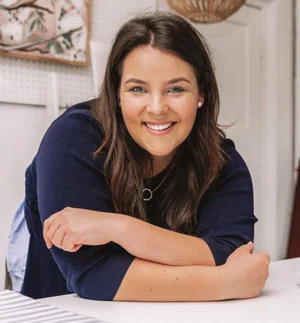
January 2021, with my first camera: the Canon EOS 600D – captured by my husband Haavard.
Originally shared with readers of The Creative Diaries, my weekly dispatch to creatives inside The Creative’s Toolkit.
Recently, Haavard and I finished the biggest creative project we’ve ever built together.
For the past few months we’ve been in absolute hermit mode, rebuilding one of the courses inside The Creative’s Toolkit from the ground up.
When we finally uploaded the last lesson, the last PDF, and fixed the final typo (we hope), I felt a strange mix of relief, pride, and disbelief.
Something that had taken up so much of our lives was suddenly… complete.
But finishing it made me think about where all of this really started.
And that story goes back to a camera shop in Geelong in 2019.
Before Photography Was a Career
When I started out in the photography industry in 2020, it felt very much a closed-doors, ‘get off my patch’ space.
In 2019, I was in my final year of university when my Mum (Sarah), my sister Skye, and I announced we were relaunching Hope & Co. as a creative family business.
A few weeks later we went to buy Mum’s DSLR — a Nikon D5600, with a couple of kit lenses.
I had wandered through the camera section of department stores plenty of times, but never with someone actually buying a camera. I used to pick them up and imagine owning them, but then I’d see the price tag, fluster, and set it down again. One day, I would think.
One day, I would think.
So holding Mum’s brand new camera was both parts exciting and intimidating. Like holding a piece of equipment that could unlock something expansive—but I had absolutely no idea how to use it. (Technical photography wasn’t my strength in art class in high school!)
A few months later, I used a Canon 750D briefly at my corporate job. That camera lived with me for three days, and it was my first time being able to pick it up, get a feel for it, and really start visualising owning one of my own. It planted a seed in my mind.
Maybe I should learn this properly.
Maybe, I could buy that exact camera one day!
(Spoiler: I actually did in 2021)
When I left my graduate 9-5 job in mid-2020, I bought my first camera after borrowing the exact model from my husband’s brother: a Canon EOS 600D, body only, for $200 on eBay.
I picked up two kit lenses for about $60 on Facebook Marketplace.
My plan was simple: I wanted to learn photography so I could capture our studio atelier and help get Hope & Co. seen.
Hiring photographers every time we had a new product just wasn’t financially feasible. So I became determined to start figuring it out.
The First Seed Was Planted
A few months later I briefly used a Canon 750D at my corporate job.
The camera lived with me for three days, and it was the first time I could really pick one up, get a feel for it, and imagine owning one myself.
It planted a seed.
Maybe I should learn this properly.
When I left my graduate 9–5 job in mid-2020, I bought my first camera (after borrowing and trying out the same model from my husband’s brother).
A Canon EOS 600D, body only, for $200 on eBay.
I picked up two kit lenses for about $60 on Facebook Marketplace.
My plan was simple: I wanted to learn photography so I could capture our studio atelier and help get Hope & Co. seen. Hiring photographers every time we released a new product simply wasn’t financially possible. A 1:1 coaching session for 1 hour cost upwards of $1000 that I didn’t have.
So I decided to teach myself.

My first ever ‘product’ photo on my ‘new’ Canon 600D in June 2020.
Learning Photography the ‘Long’ Way
And honestly…
It wasn’t easy.
Photography felt incredibly gate-kept at the time.
Information was very selectively guarded—and after years in the industry, I know now it’s a kind of ‘resource guarding’ because lots photographers are concerned they’ll lose work or clients to new competition, or businesses that figure it out for themselves. That’s essentially it.
Questions in DMs often went unanswered.
When tutorials did exist, they were either extremely technical like a university lecture — or completely unrelated to photographing real small businesses and brands. It was mostly sanitised real estate photography or corporate headshots.
Some photographers even unfollowed and blocked Hope & Co. and my Mum’s and my other accounts when we started photographing our own products and interiors.
At the time I was devastated. But I kept going, because I had a gut feeling I was onto something—and I’d fallen in love with the skill. (And it gave me something positive to focus on learning during lockdowns!)
The ‘Auto Mode’ Era
For months I captured everything on Auto.
I kept buying Lightroom presets from Etsy trying to achieve the look I wanted — but none of them felt quite right. I kept experimenting, tweaking, failing, learning.
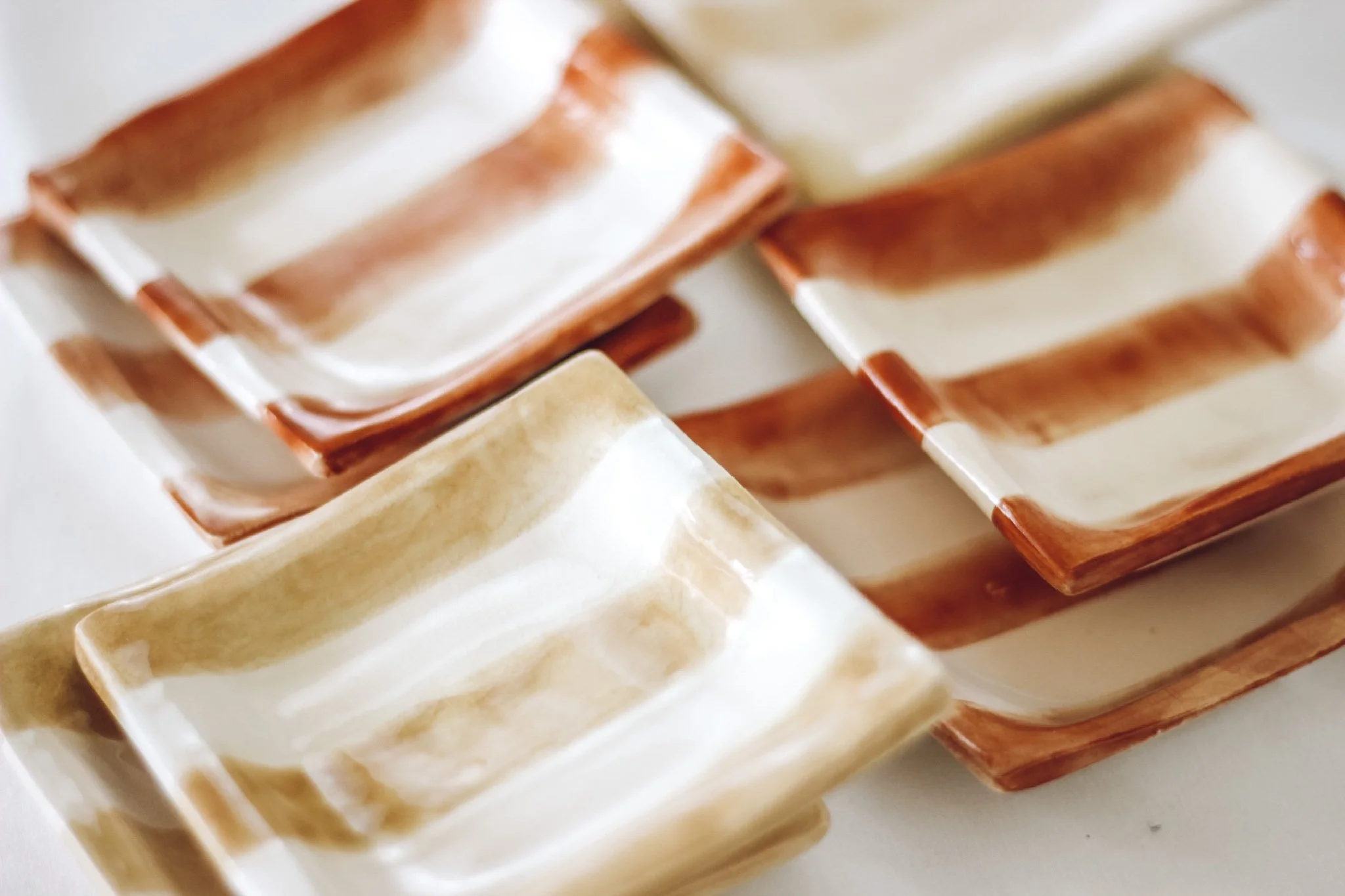
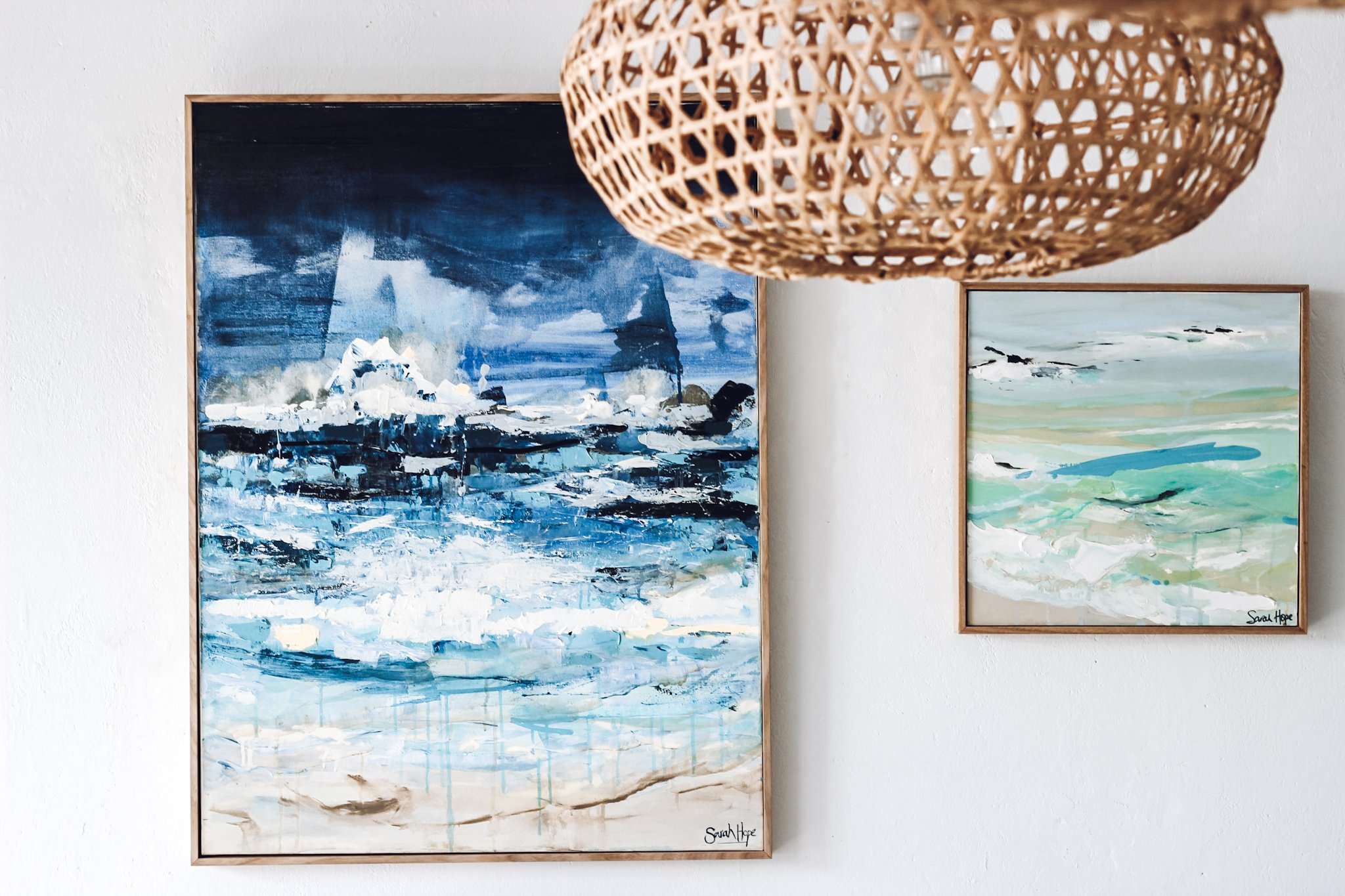
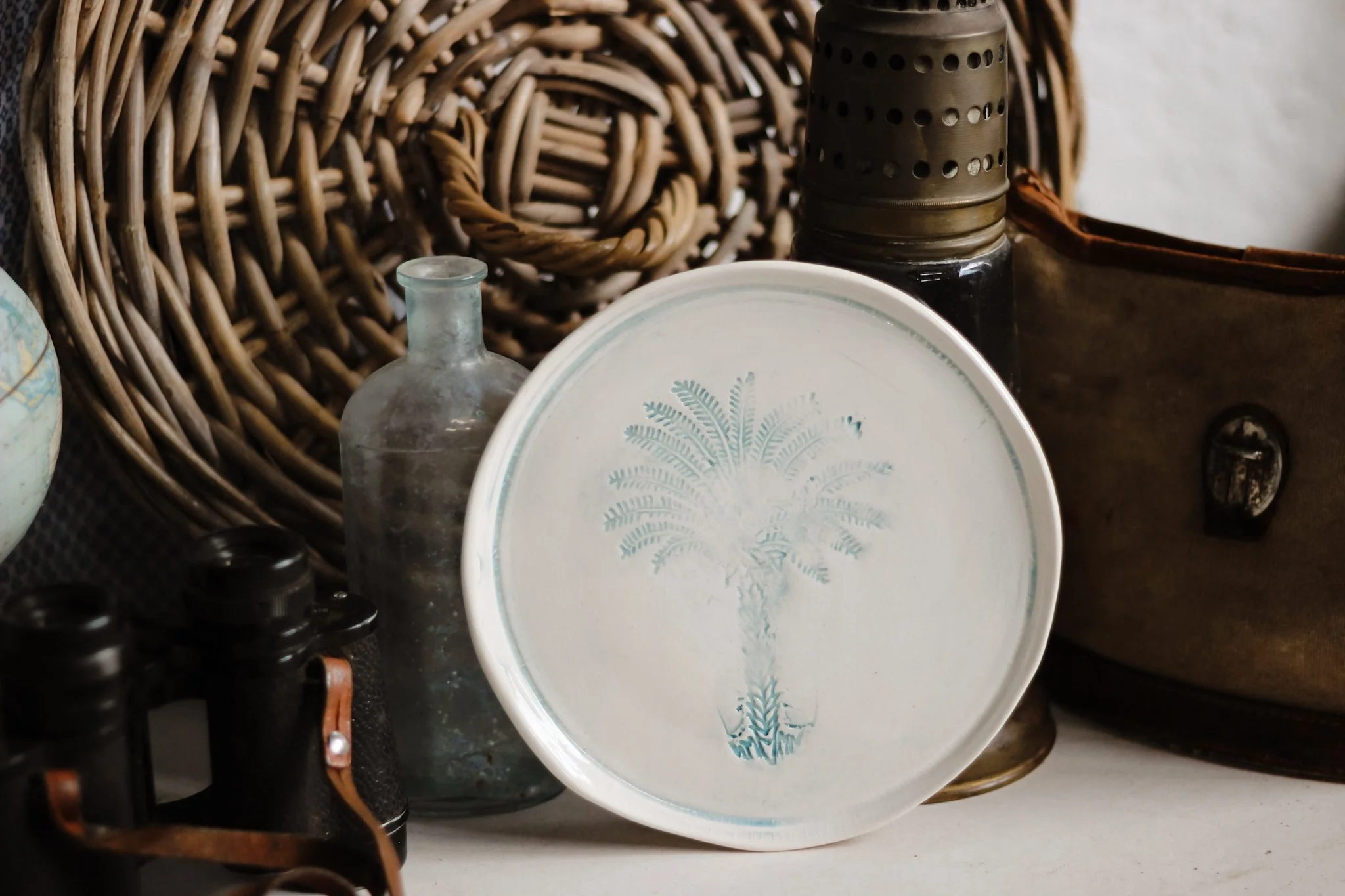
Every now and then I would get lucky and capture an image that sang (see some of my proudest early photos below).
But to be honest, most of the time I felt like I was fumbling my way forward.
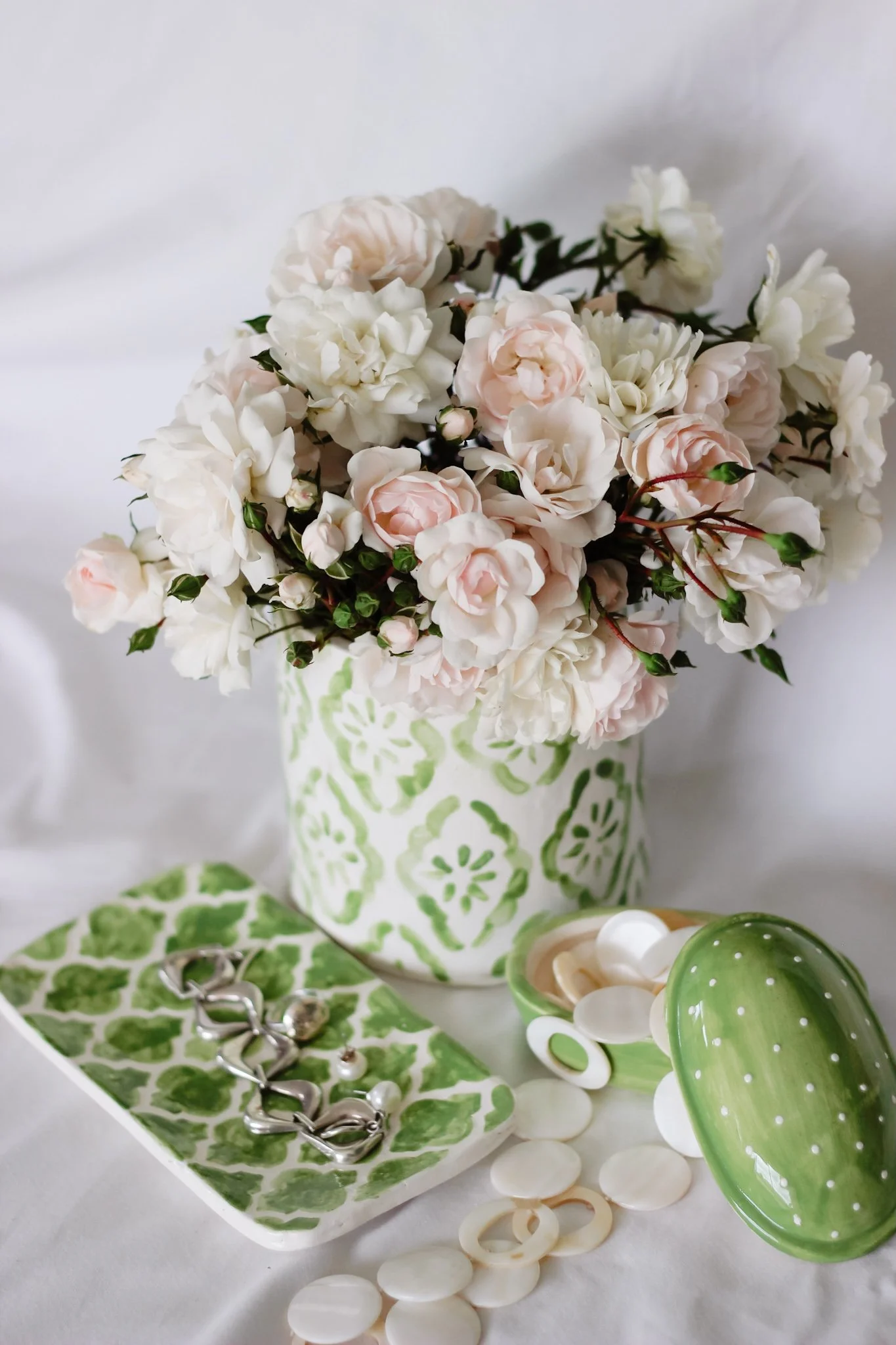
Then something unexpected happened.
A few months after I began photographing Hope & Co., we were approached to feature in the spring issue of one of our favourite magazines.
Not long after that, I booked my first paid photoshoot.
I was paid $75, and I was so excited – and also so nervous. I could not believe someone was paying me for photography!
The entire shoot was captured on Auto mode.
But I nailed it.
More enquiries followed.
Then my first magazine feature.
Again — shot entirely on Auto.
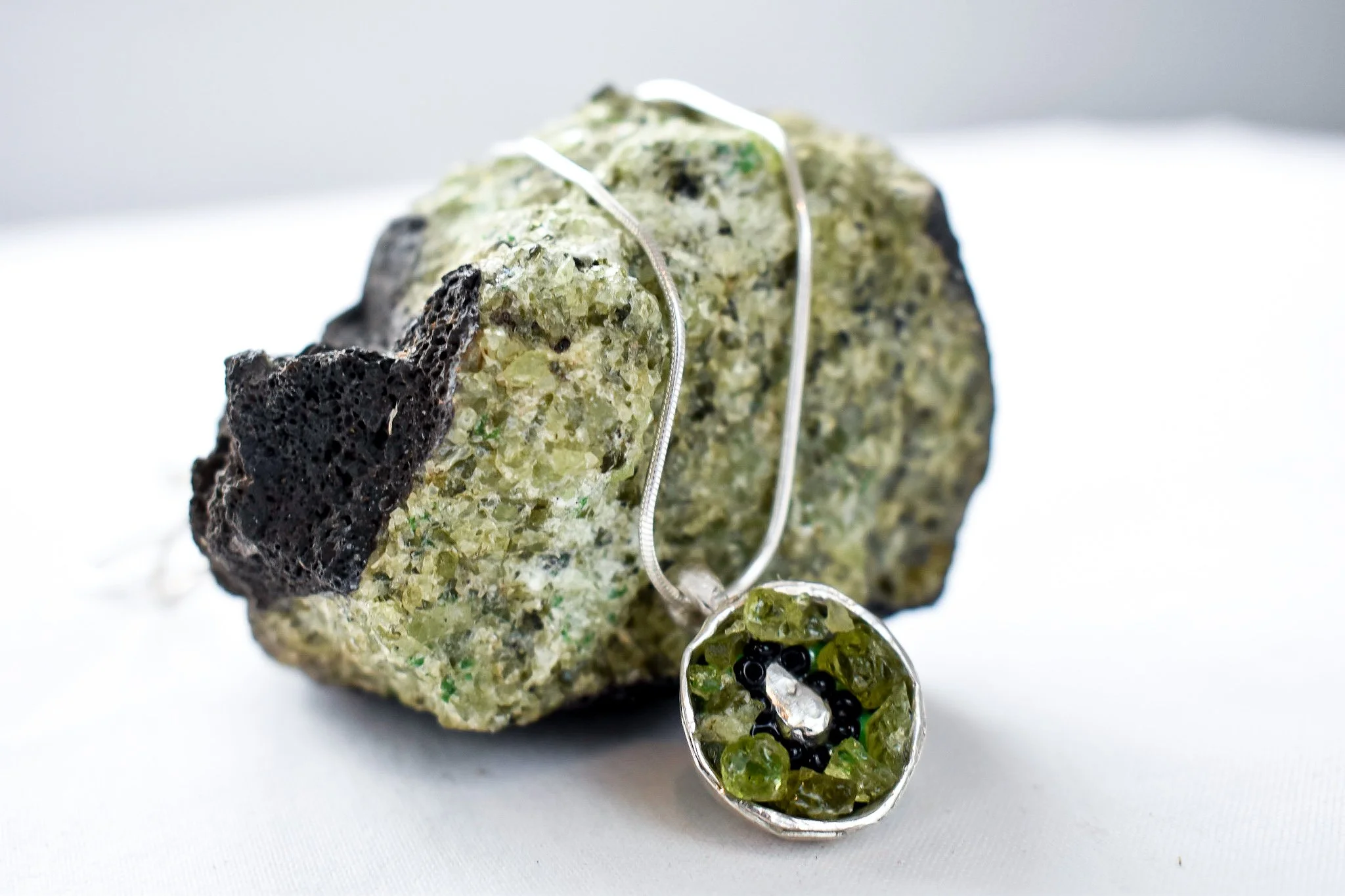
My first ever paid photoshoot for a local handmade jewellery brand that I captured entirely on Auto on my Mum’s Nikon D5600. I’m always so grateful for my Legacy Clients – the clients who first took a chance on me, and gave me work!
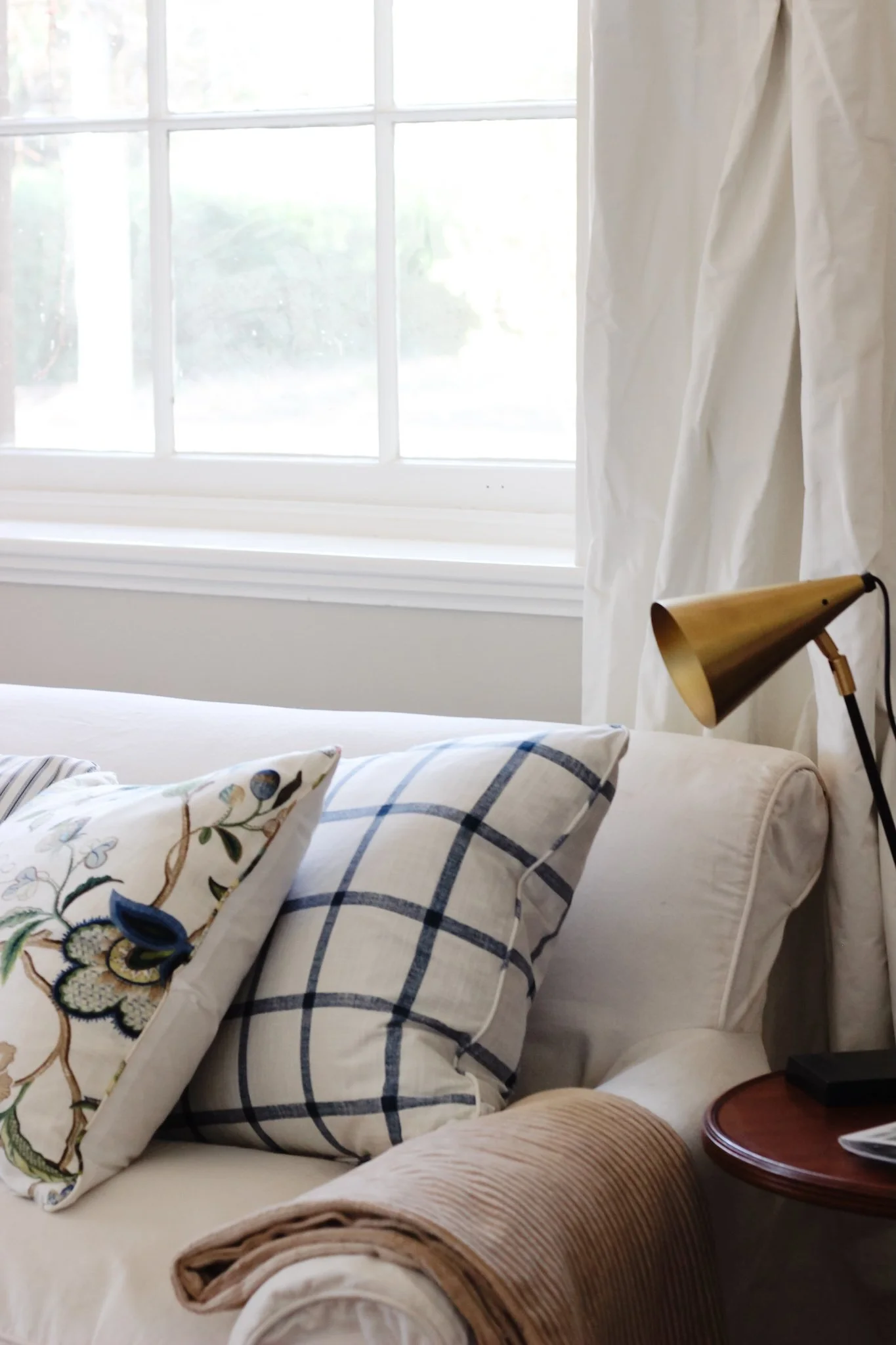
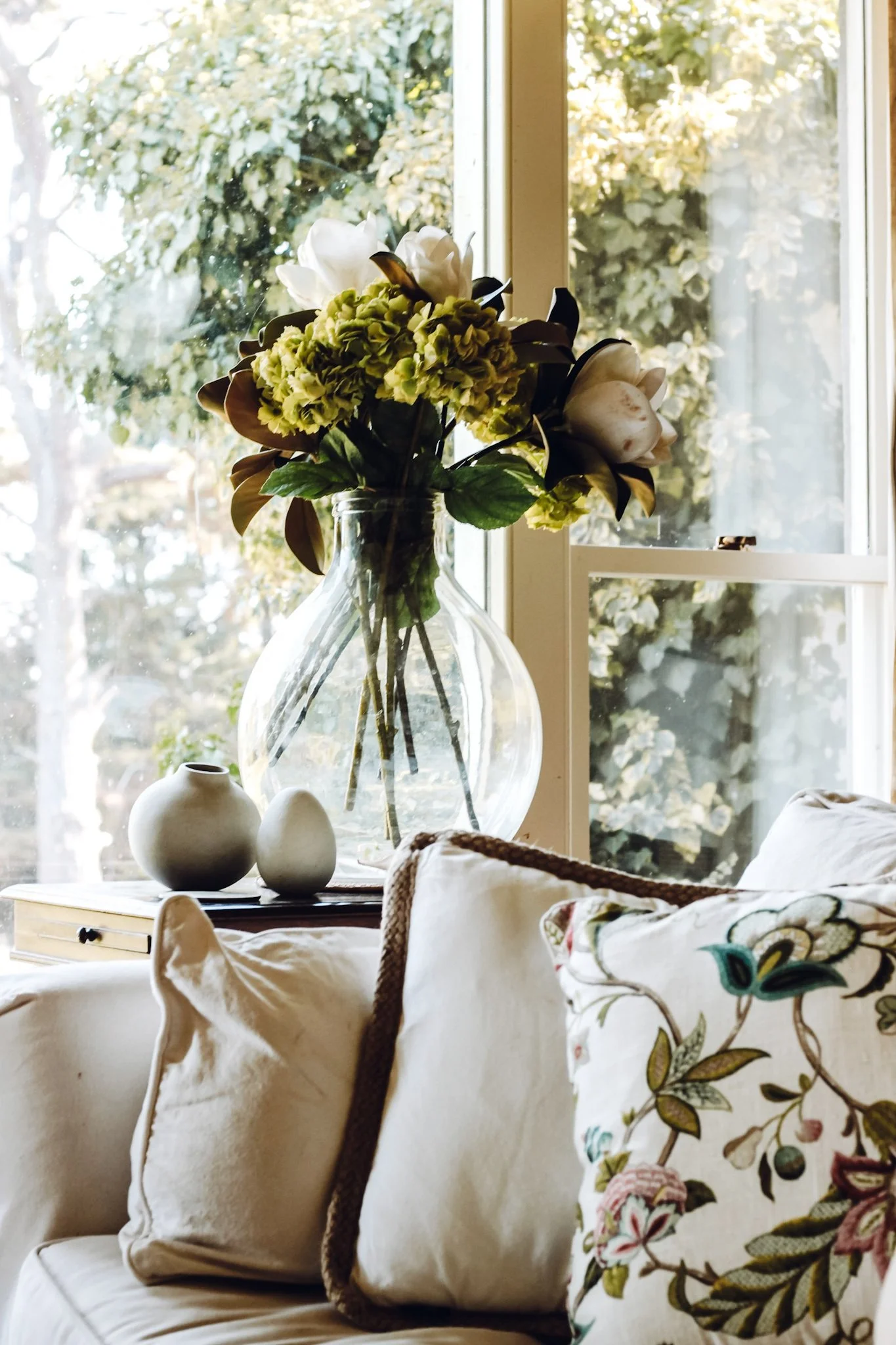
One thing I loved was photographing interiors for Mum’s Instagram account, @australiancountryhouse (now our editorial features brand with 22k followers!). That’s where I really began to develop an eye for composition. So in addition to Hope & Co, I really began ramping up in interiors photography too.

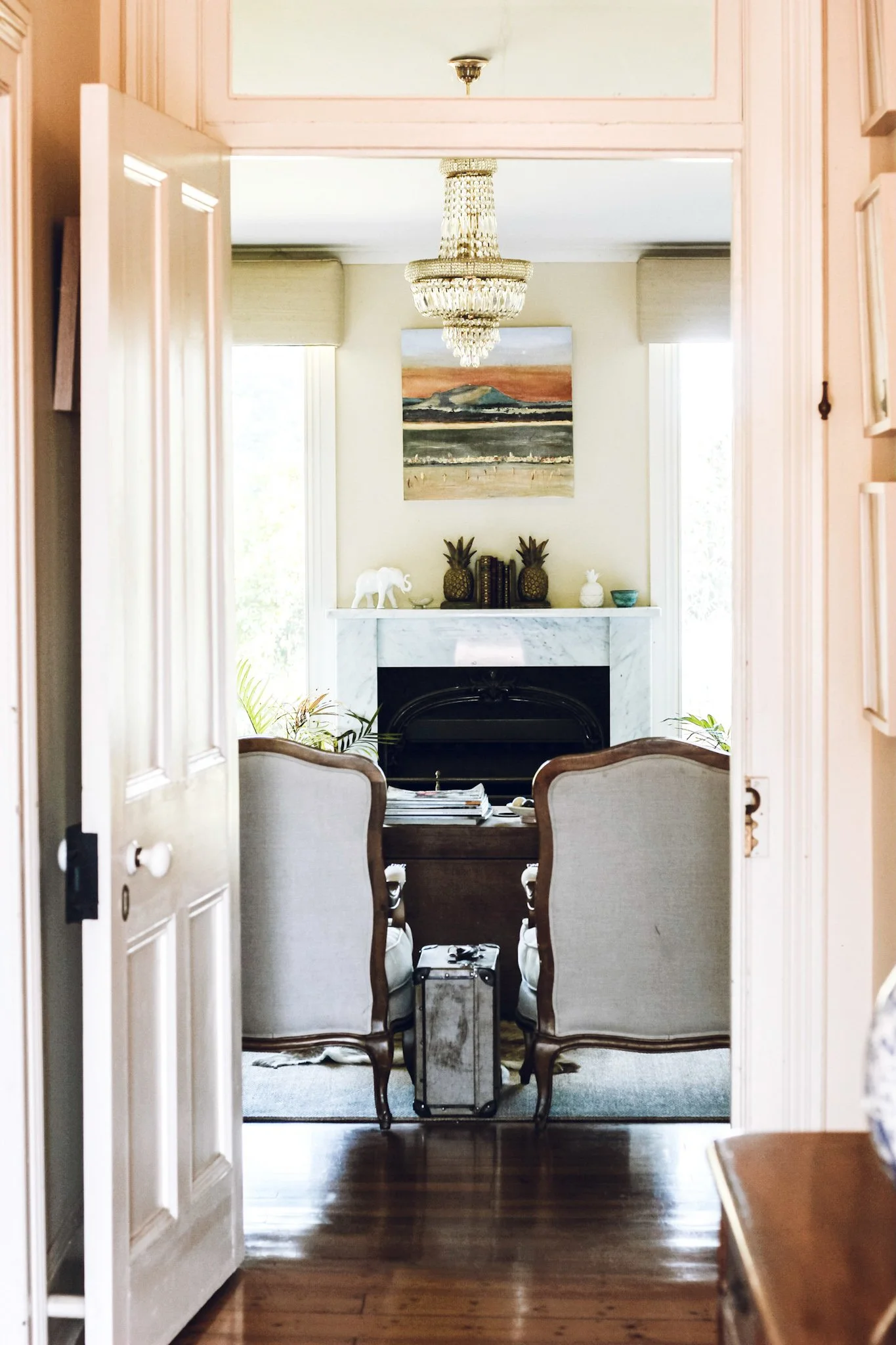
The Photoshoot That Changed Everything
In 2021, I booked my first major interiors shoot.
The house belonged to extended family and was being styled by one of Australia’s most recognised interior stylists.
I knew it was a huge opportunity.
The night before the shoot I panicked.
I called my husband’s best friend — a very talented photographer, who was always giving with his knowledge and support — and asked if he could come over.
He arrived around 9PM with spare batteries, a tripod, and a wider lens.
“Can you explain Manual mode to me?” I asked.
ISO.
Aperture.
Shutter speed.
It all felt like complete double Dutch.
He gave me a crash course and told me that if I got stuck, I should switch to Aperture Priority or Shutter Priority.
The next day I fumbled plenty of shots.
Halfway through the shoot my Canon 600D overheated and shut down.
So while the batteries charged again …
I switched back to the Nikon.
Back to Auto.
And somehow, I pulled it off.
At the end of the day, the interior stylist told me I had a beautiful natural eye, and that I would go far with my photography.
In that moment, I knew in my bones she was right.
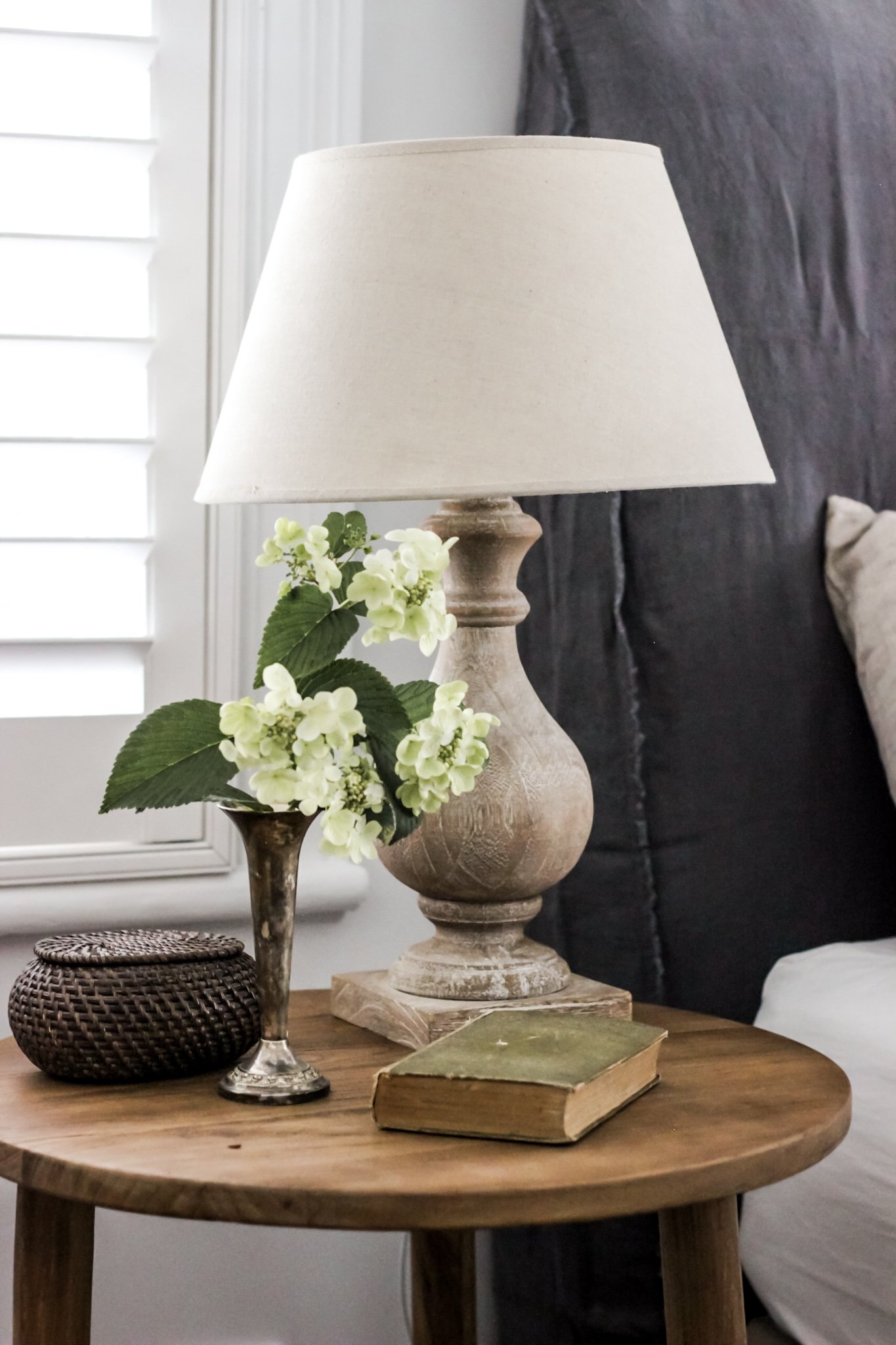
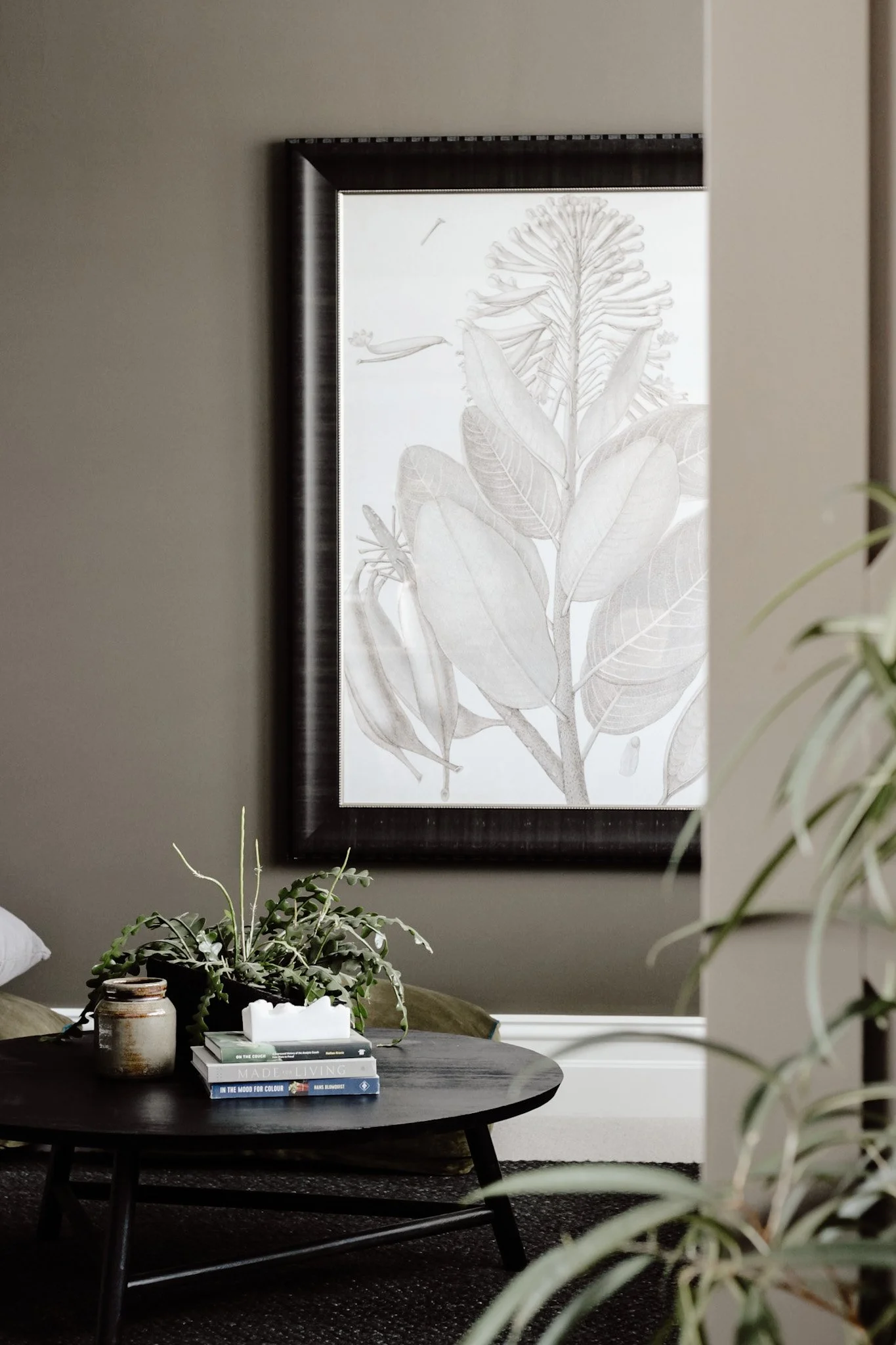
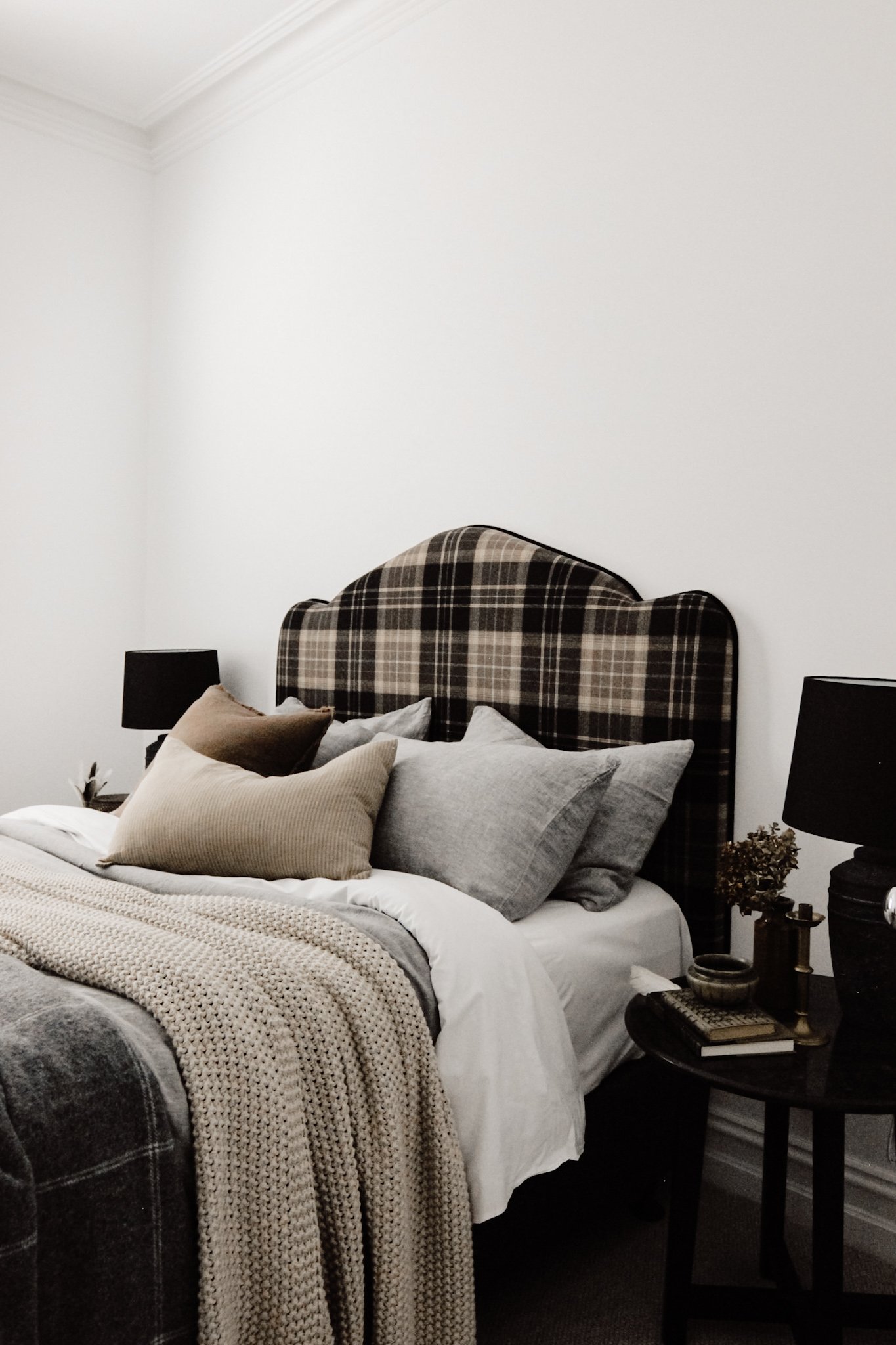
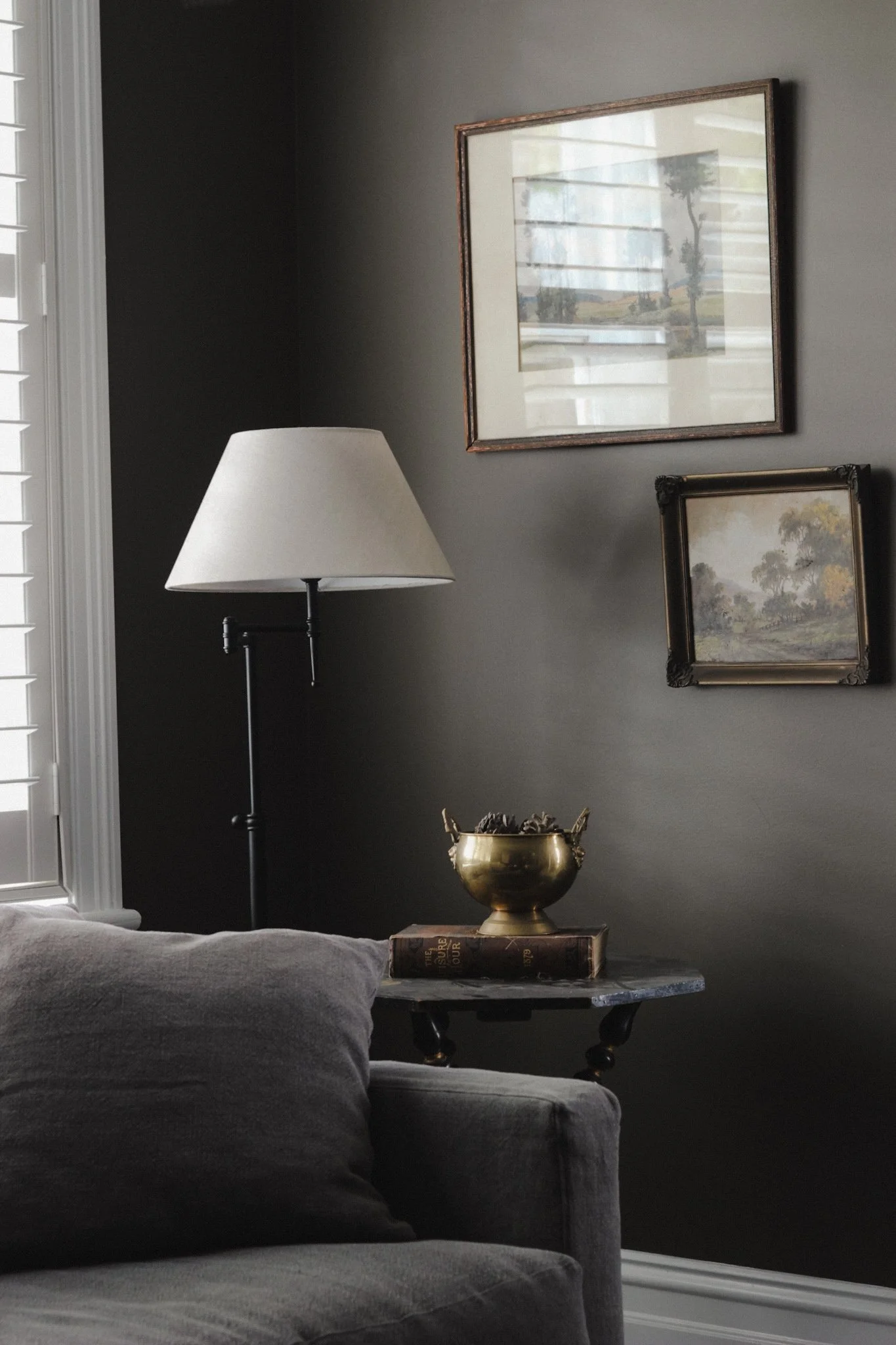
The photos you see below, were my first ever on Manual that day, on the Canon 600D.
A Promise to Myself
That day I made a promise.
I was never going to feel unsure like that again.
Auto had taken me as far as it could.
I wanted to understand my camera completely.
So I kept shooting.
I booked jobs locally. I took on feedback to improve when clients weren’t happy with photos, and I felt empowered by the ones who loved them.
I experimented constantly.
I watched every tutorial I could find — even the ones that didn’t make sense.
Gradually, I began shooting on Manual more often.
When I upgraded to a Canon 750D (remember, that camera I said I wanted 2 years before?) I started trusting my eye.
Soon after that, bookings increased.
The Camera That Changed My Career
When I was asked to photograph my first wedding ever — interstate! — I upgraded again.
This time to a Canon 6D Mark II, purchased near-new from Facebook Marketplace.
Soon after, I invested in a brand new 85mm lens after months of research.
I remember sitting in the passenger seat with the camera in my lap thinking:
We’re going to achieve phenomenal things together.
And we did.
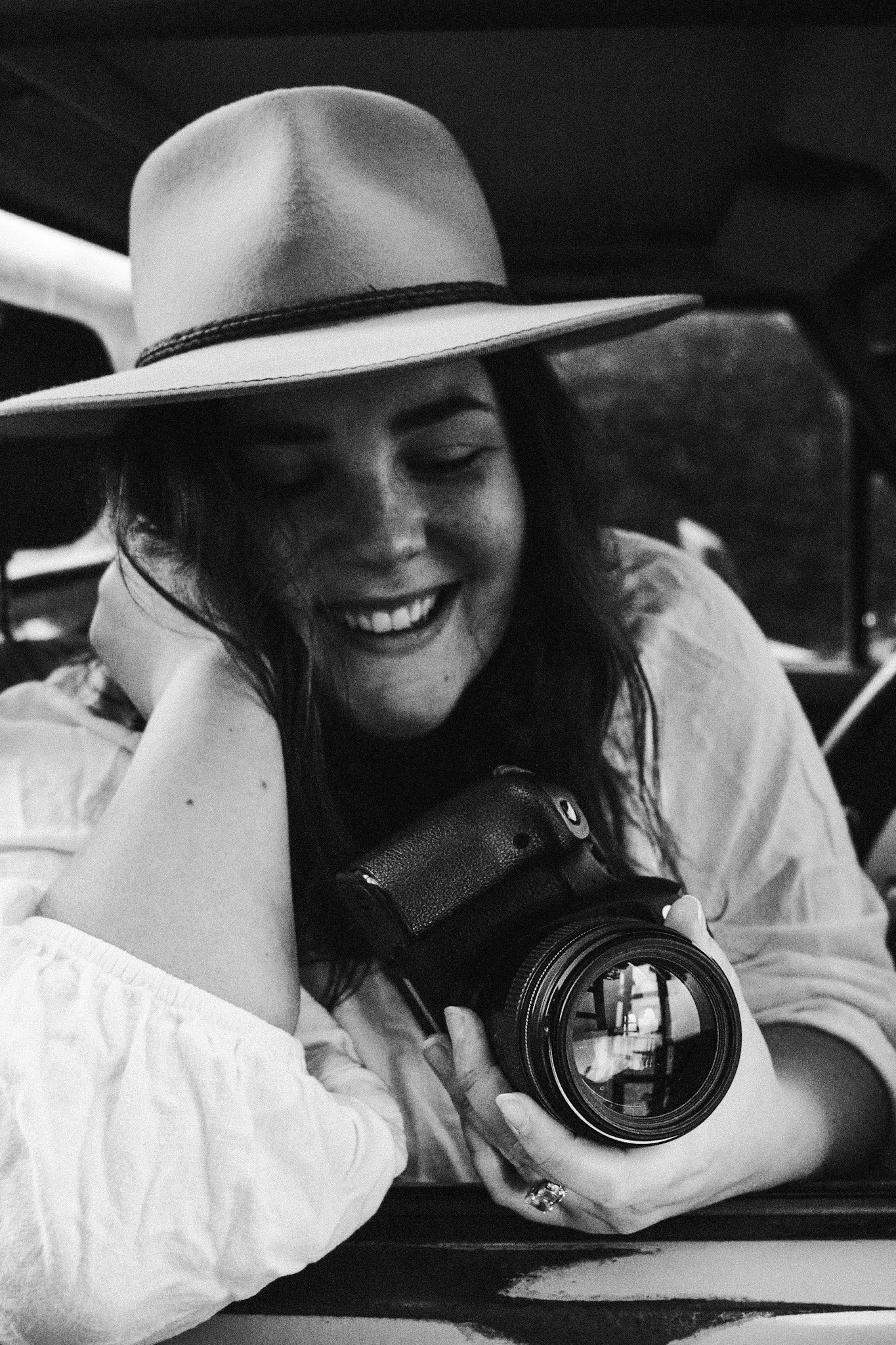
That camera has helped me generate six figures in revenue from photography and education.
It has seen my work published in major magazines in Australia and overseas, has taken me around the world, and helped me capture brands and clients I once only dreamed of.
It has also helped me capture special milestones in my life, and for my loved ones.
And it still outshoots far more expensive cameras, because I know it like the back of my hand. Because I also know, that it’s the photographer that makes the camera, not the other way around.
I truly feel like this skill is a gift, and I’m grateful to the version of me who committed to learning it.
Finding My Editorial Style
Around this time something shifted as well.
I finally developed an editing style that felt like mine.
More editorial.
More grounded.
More aligned with the stories I wanted to tell.
And from there the work began flowing.
National magazines.
Brand campaigns.
Photography jobs beyond anything I had expected.
But the truth is…
I fought tooth and nail to learn photography.
Why We Built Small Business Photography
Throughout those early years I kept thinking the same thing:
It shouldn’t be this hard.
Photography is a creative skill.
A very learnable skill.
You shouldn’t need a university degree to understand your camera.
And you certainly shouldn’t feel embarrassed asking how something works.
As my career grew, I realised something else too.
The path I had accidentally built — learning photography to support a small business and brands — was a path many other people wanted to follow.
Artists.
Small business owners.
Multi-creatives.
Brands.
Airbnb owners.
People who wanted to learn photography so they could tell their own stories.
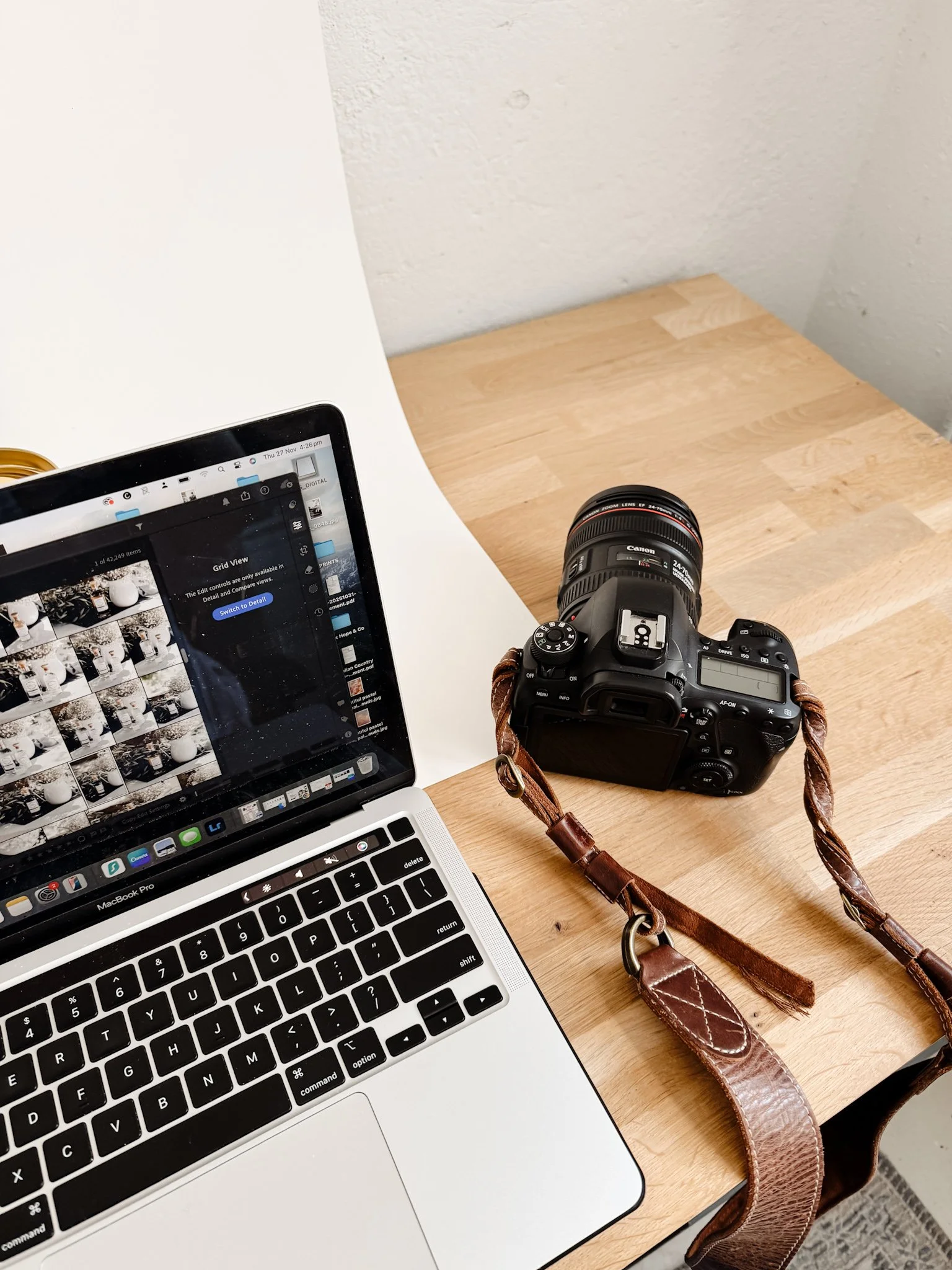
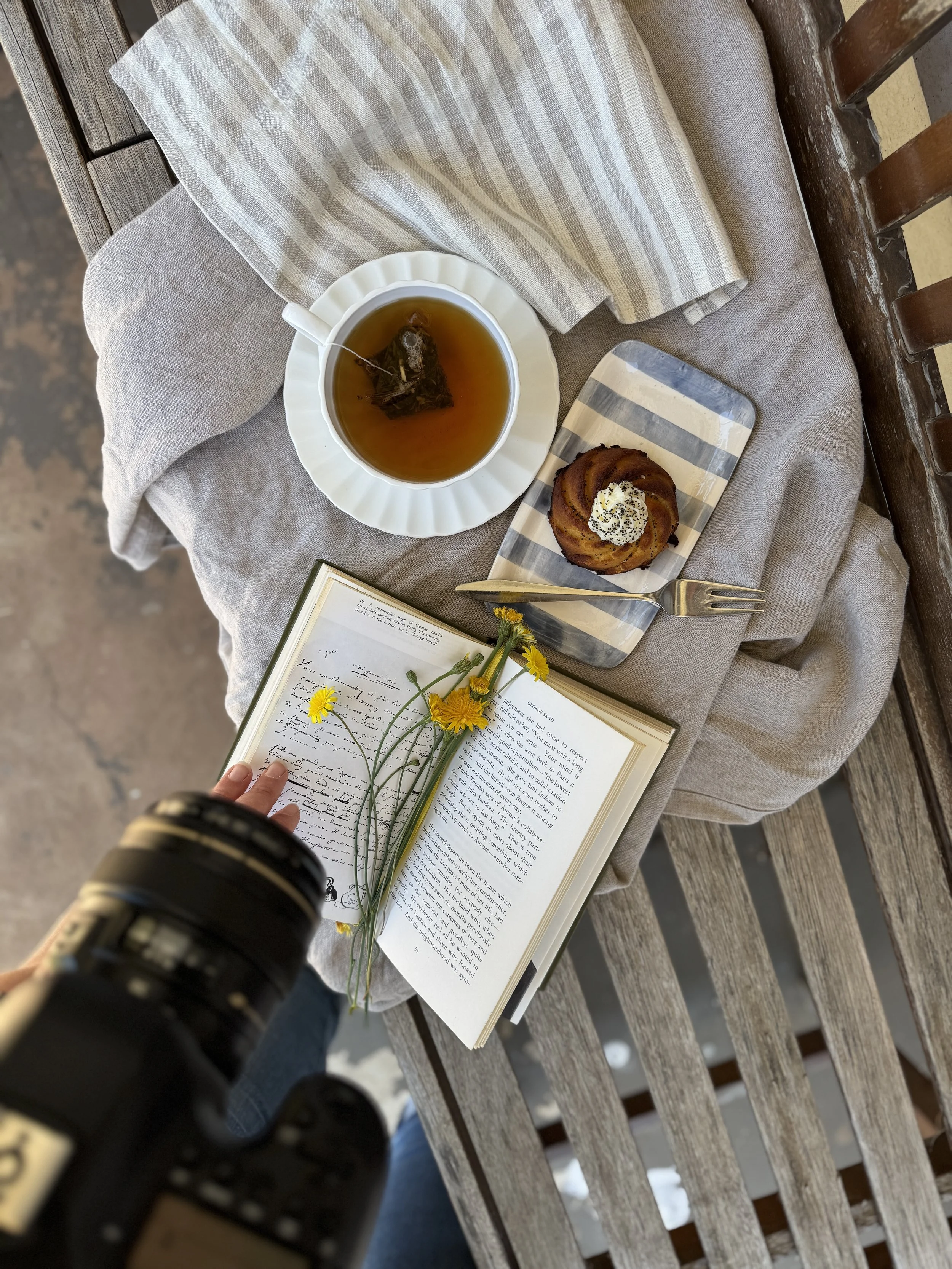
So over the past year, Haavard and I rebuilt the course I wish had existed when I started.
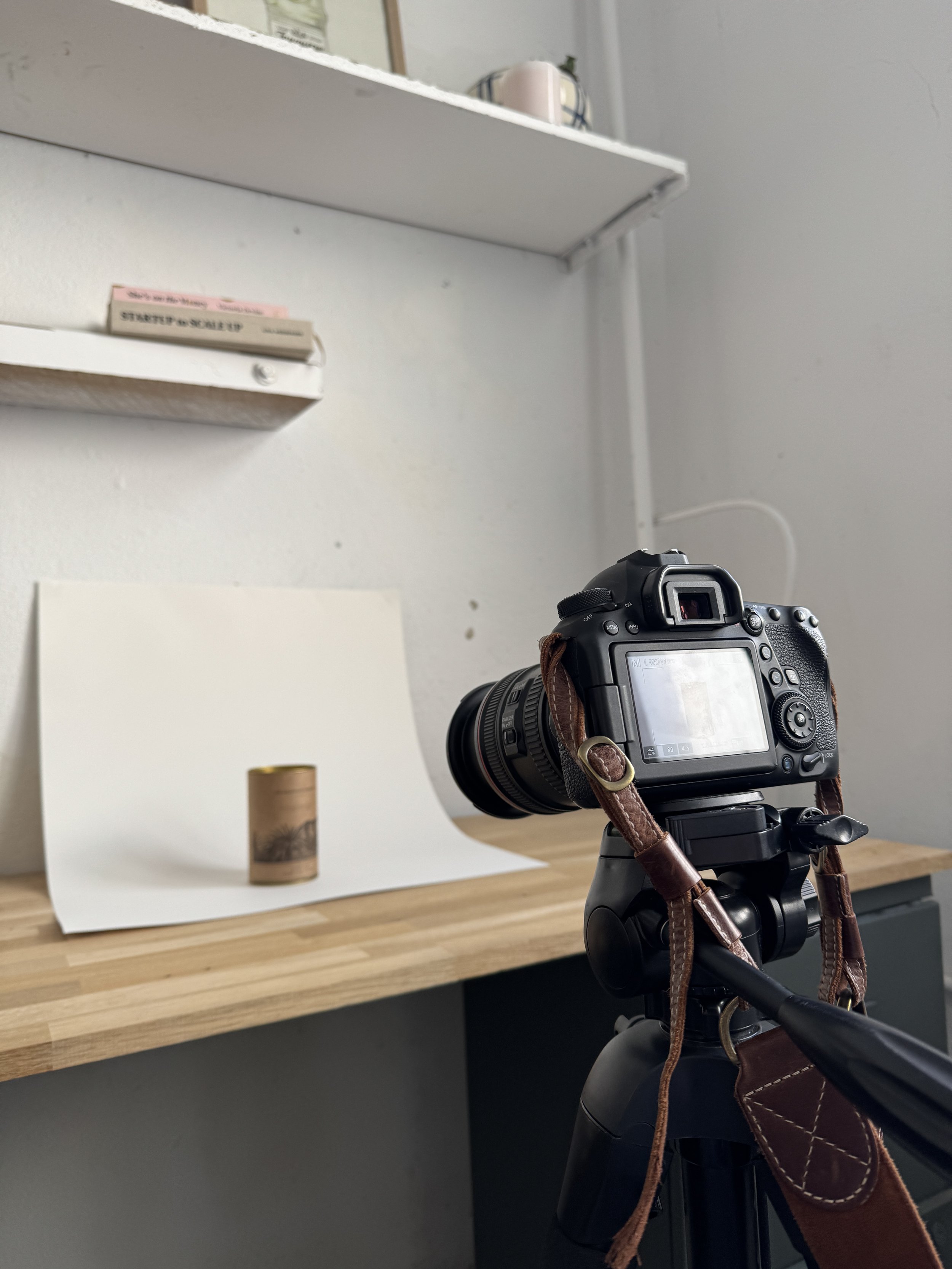

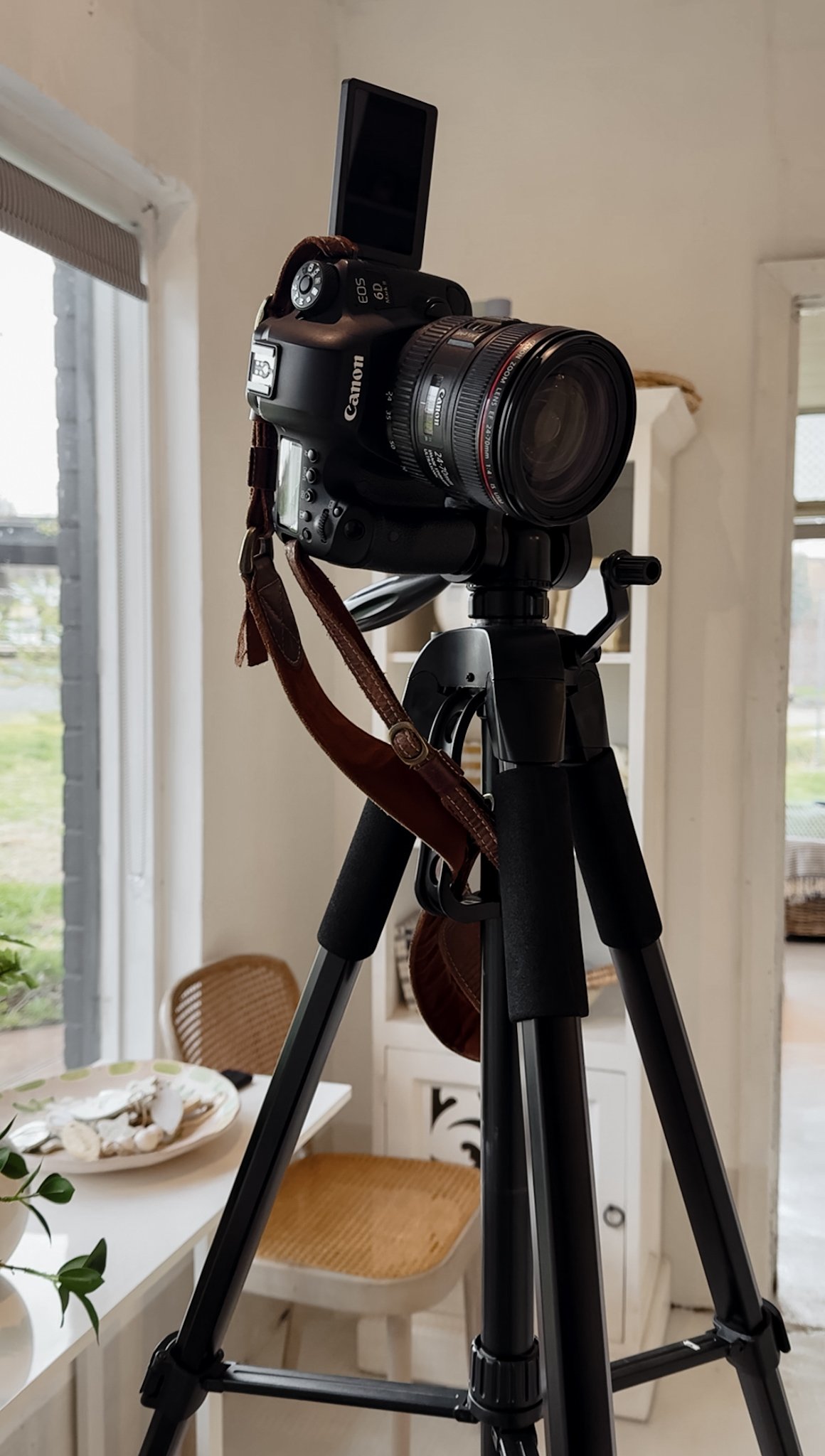
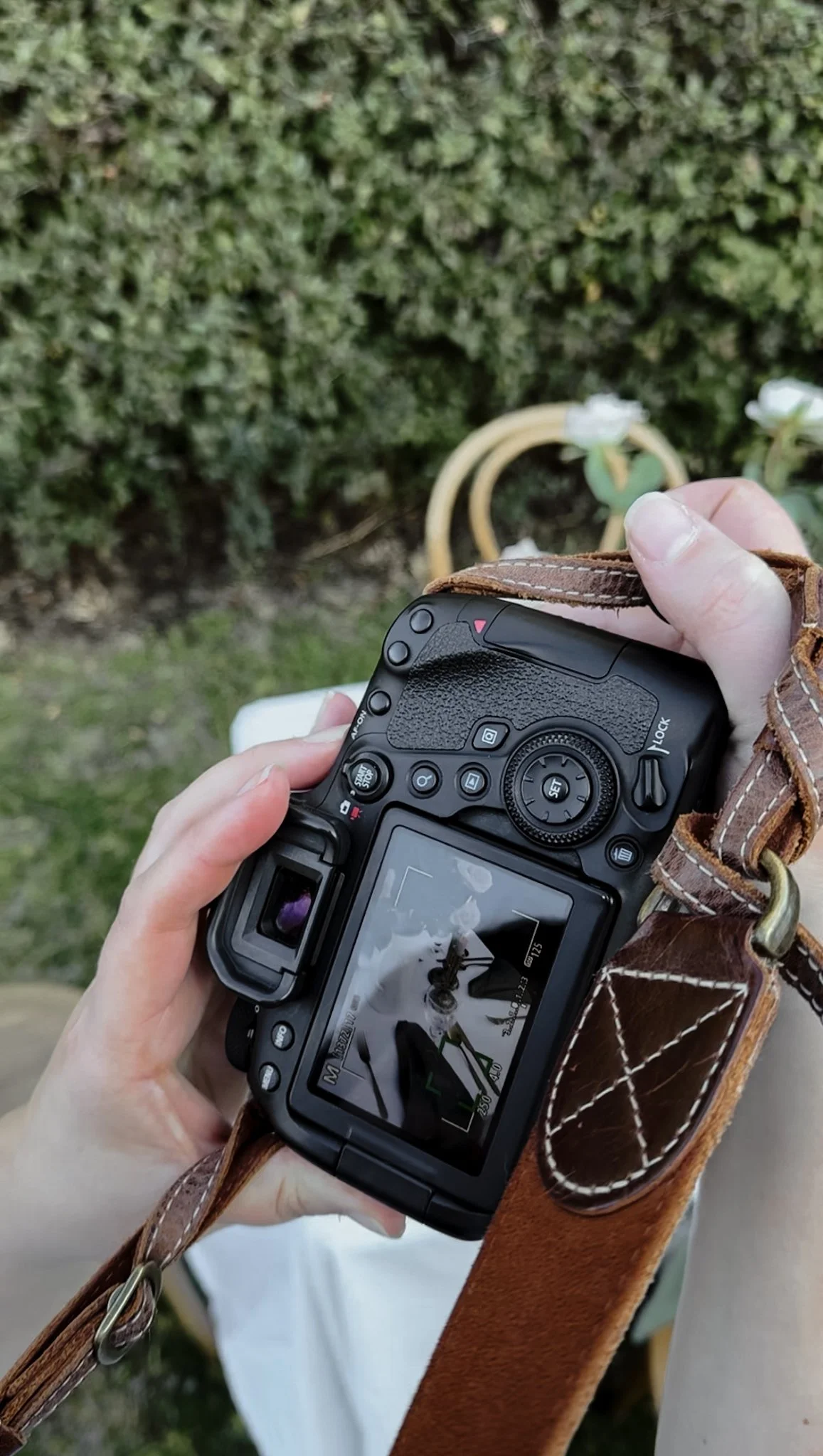
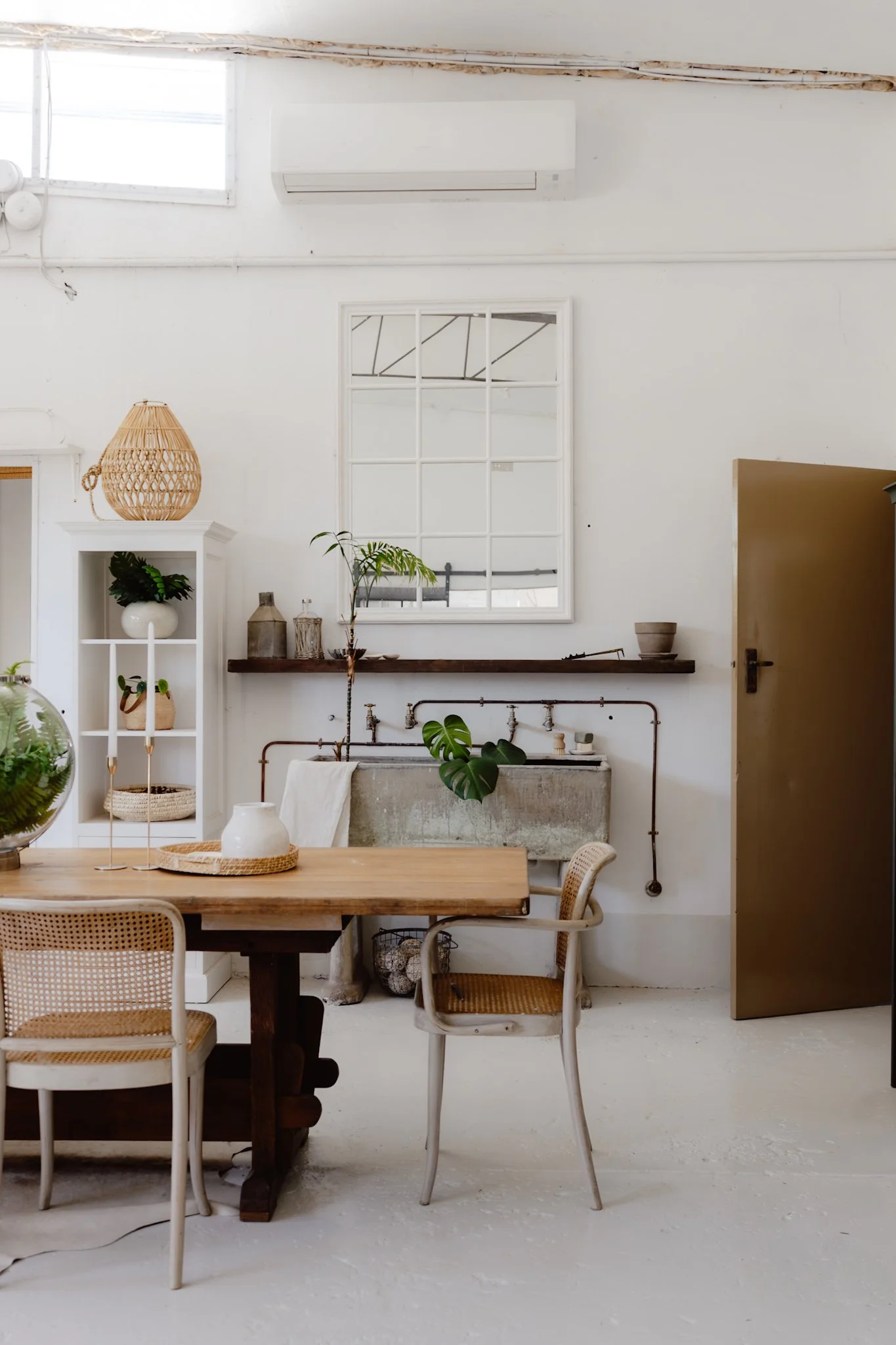
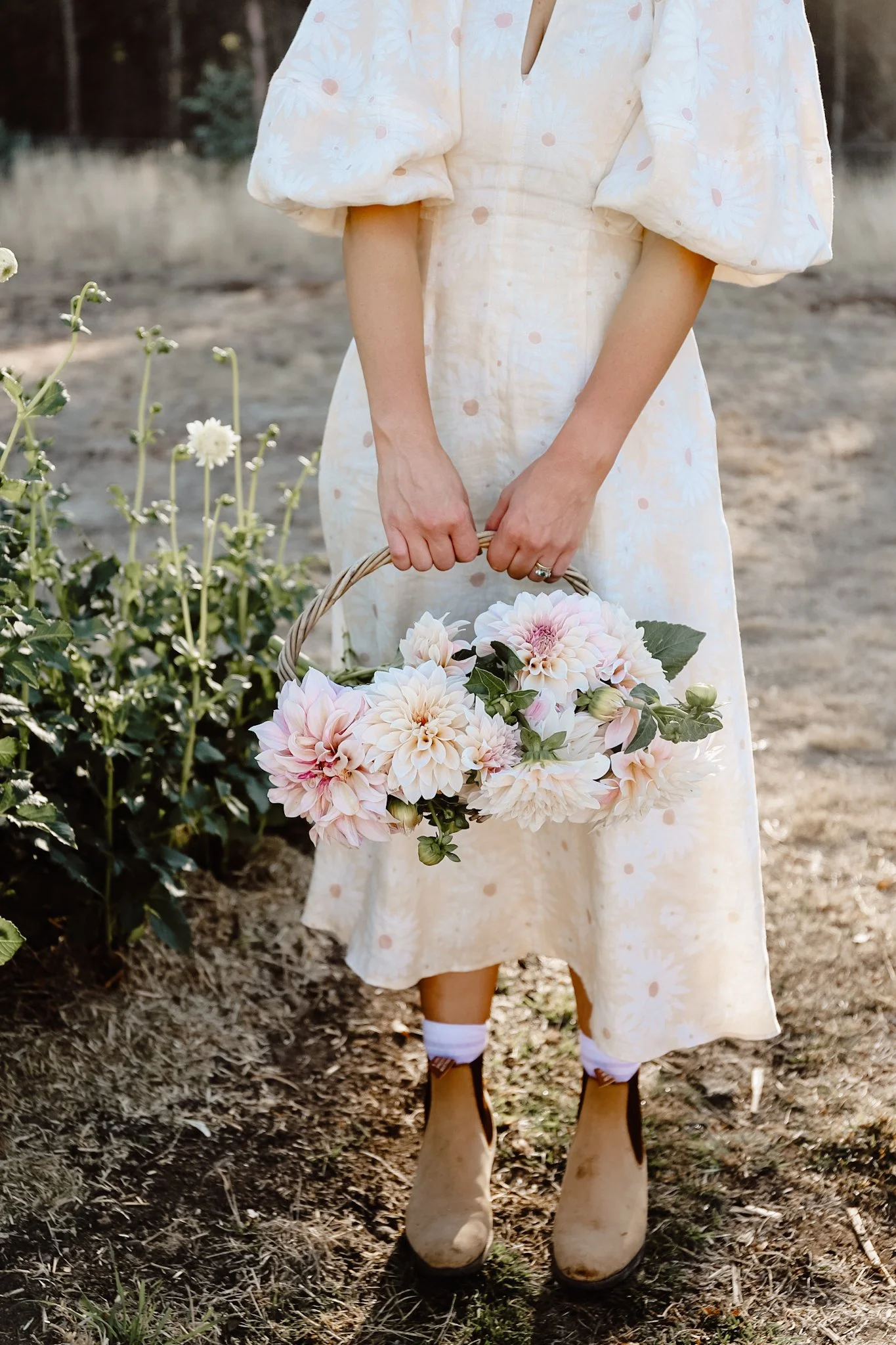
Small Business Photography 2.0
The course that launched The Creative’s Toolkit is now open again.
Some of you may remember the first version in 2023.
After that cohort finished, we went back to the drawing board and rebuilt the course completely.
Inside the program you’ll learn:
📸 How to confidently use your camera
📸 How to photograph products, people, food and interiors
📸 How to edit professionally in Lightroom
📸 How to use your images strategically online
Everything I’ve learned over the past six years is now inside six modules.
Learn more and see what’s inside here.
Just a gentle note that I don’t teach the ‘business’ side of photography in this course – clients, pricing your photography, personal branding, pitching to magazines. That’s all in The Photographer’s Blueprint.
A Final Thought
I spent years figuring photography out the hard way.
Through trial and error.
Through unanswered questions.
Through long nights watching tutorials that didn’t quite make sense.
Now everything I wish I’d known in the beginning is inside one course.
And if you’ve ever felt the pull to learn photography — whether for your brand, your business, or your creativity — this might be your moment.
My ultimate goal, always, is break down industry gatekeeping wherever I can, put the tools in your hands, and help creatives forge modern careers on their terms.
I hope this course helps some of you do that.
Georgie xx